Living and working in Parker, CO means dealing with conditions that put real pressure on indoor comfort. We get that high-altitude sun that feels stronger than people expect, intense glare pouring through glass, and big temperature swings that can change the feel of a room in a couple of hours. Add strong summer heat peaks, and you’ve got a recipe for HVAC systems working overtime just to keep spaces livable.
The issue is that most buildings have a weak point that’s hiding in plain sight: the windows. Even with solid insulation, modern construction, and a newer HVAC system, heat still pours in through glass and creates hot spots that throw off the entire building’s temperature balance. That means higher energy use, inconsistent comfort, and more strain on heating and cooling equipment.
This is where window tint becomes one of the most practical upgrades available. Residential window tint and commercial window tinting are not just about privacy or aesthetics. When installed correctly, window film improves energy efficiency by controlling heat gain, stabilizing indoor temperatures, and reducing how hard your HVAC has to run, especially during sunny Parker afternoons.
In this guide, we’ll walk through how window tinting works, the benefits for homes and businesses, what kind of ROI people can realistically expect, what installation looks like, and which types of properties in Parker benefit most from professional window film.
Why Windows Are the Biggest Energy Leak in Most Buildings
When people think “energy efficiency,” they usually focus on insulation, attic sealing, or upgrading the furnace. Those matter, but the truth is simple: glass changes everything.
Windows allow heat transfer in multiple ways. Sunlight brings in solar energy, which warms up floors, furniture, and interior air. That’s why a room can feel uncomfortable even when the thermostat says everything is fine. In colder seasons, windows also allow warmth to escape more easily, and you can feel it as drafts or uneven temperatures near large glass areas.
Here’s what we typically see in Parker homes and commercial buildings with lots of glass:
- Solar Heat Gain creates hot spots near windows and west-facing rooms
- Temperature Imbalance forces HVAC systems to run longer to stabilize space
- Drafty Zones form around windows, even in newer buildings
- Overcompensation happens, where the system cools too hard, then warms back up again
And this is exactly why “good insulation” isn’t always enough. A glass-heavy home or office can still struggle because insulation doesn’t stop energy from entering through windows. Many newer Parker homes, as well as newer commercial spaces and storefronts along growing corridors, feature large windows that look great but create serious energy inefficiencies without added protection.
That’s where concepts like heat rejection, insulating window film, and energy efficient windows become more than technical terms. They’re what determines whether a building feels comfortable or constantly fights the thermostat.
How Window Tinting Improves Energy Efficiency (The Simple Science)
Window film improves energy efficiency because it controls the biggest problem: solar energy entering through glass.
A quality film is designed to block a portion of the sun’s energy before it heats up the interior. Instead of sunlight turning your living room, lobby, or office into a hot zone, window tint reduces that heat gain and helps keep indoor temperatures more stable across the entire space.
What energy-efficient window film helps do
- Blocks Solar Energy to reduce overall heat buildup
- Reduces Heat Gain so indoor temps stay more consistent
- Stabilizes Temperature Zones across rooms and glass-heavy areas
- Cuts Down AC Workload during sunny hours and summer peaks
In Parker summers, this matters because AC systems often run hardest during the hottest and brightest parts of the day. Window tint acts like a buffer, lowering the load so the system doesn’t have to fight as aggressively. Over time, that reduces energy waste and improves daily comfort.
Another major benefit that’s often overlooked is glare reduction. Glare makes spaces uncomfortable, especially with screens. Window film improves usability in living rooms, home offices, conference rooms, and storefront spaces where direct sunlight can make the space harder to work in or enjoy.
And while energy efficiency is the main focus here, UV protection is a big part of it too. Limiting UV helps preserve interior materials, reduces fading, and supports long-term building condition.
Residential Window Tint: Practical Benefits for Parker Homeowners
In residential spaces, energy issues usually show up as comfort problems first. A room that’s too hot in the afternoon. A living room that feels like a greenhouse. A home office where the glare makes it hard to work. These problems don’t always mean the HVAC is failing. Often, it simply means the windows are letting in too much heat.
Residential window tint creates a more balanced indoor environment, especially in homes with large windows, vaulted spaces, or west-facing exposure. Instead of relying on constant AC cycling to keep the home tolerable, window film helps the home hold a steadier temperature during the hottest hours.
Here’s what Parker homeowners usually notice first:
- Fewer Hot Rooms during peak sun exposure
- More Stable Indoor Temps throughout the day
- Reduced AC Cycling because the home builds less heat
- Less UV Damage to flooring, furniture, and interior finishes
This is also why film selection matters. The best solution isn’t always “dark film.” It’s picking the right performance film that fits how the house is built and how the sun hits it.
At Messer Window Tinting, we help homeowners make the right decision based on the space itself, not generic recommendations. We look at exposure, comfort issues, and goals, then match the right residential window tint so the solution actually improves energy efficiency the way it should.
Commercial Window Tinting: Where Businesses See the Biggest Efficiency Gains
Commercial spaces often have a bigger energy problem than homes because they typically have more glass, more square footage, and more daily foot traffic. Storefronts, offices, and waiting areas are designed to feel open and bright, but that brightness comes at a cost when the sun pours in and heat builds fast.
For businesses in Parker, commercial window tinting improves energy efficiency in a very direct way. It reduces heat load, which reduces HVAC strain, which improves comfort and cost stability. Without window film, many businesses end up cooling aggressively during peak sun hours, then still deal with uneven temperatures across the space.
Commercial window film helps lower cooling demand during sunny hours, creates more even temperatures across open areas and window-heavy zones, improves employee comfort in desk spaces near glass, and enhances the customer experience in lobbies and storefront-facing sections of the building.
This also reduces comfort complaints, which is more expensive than most people think. When certain areas of the building stay hotter, employees start relocating to cooler corners, customers avoid those spaces, and productivity suffers. Window film fixes that issue at the source by stabilizing the indoor environment instead of forcing the HVAC system to fight the building all day.
At Messer Window Tinting, we approach commercial projects with process and performance in mind. We don’t just install film. We evaluate heat exposure, recommend the correct film type, and focus on clean installation so the results look professional and perform long term.
What “Energy-Efficient Window Film” Actually Means
Not all window film is designed for energy efficiency. A lot of people see “window tint” online and assume it’s all the same product, just different shades. In reality, there’s a major difference between cheap decorative film and true performance film.
Decorative film is mostly visual. It might add privacy or slightly soften light, but it isn’t built to reject heat at a meaningful level or hold up long-term. Performance film is engineered to control energy transfer through glass, which is exactly what matters in Parker’s bright sun and big temperature swings.
Film types, simplified
- Dyed Film: Primarily appearance and glare reduction, limited heat control
- Metalized Film: Better heat rejection, more reflective look, stronger performance than dyed
- Ceramic Window Film: Highest clarity and strong heat rejection without excessive reflectivity
When evaluating energy-efficient window film, the shade should not be the main focus. What matters is measurable performance: heat rejection, UV rejection, and glare control. That’s why terms like infrared rejection, UV blocking film, and low-e window film matter. They speak to how well the film controls the kind of heat that makes Parker homes and storefronts uncomfortable and expensive to cool.
Energy-efficient tint should feel like a performance upgrade, not a cosmetic add-on. The right film can noticeably stabilize indoor temperatures and reduce the daily strain on HVAC systems.
ROI: Is Window Tinting Worth It in Parker?
In most cases, yes, window tinting is worth it in Parker, especially for properties with heavy sun exposure and large windows. The ROI is not usually about a dramatic overnight change, it’s about long-term efficiency and comfort improvements that stack year after year.
When windows let in too much heat, HVAC systems work harder than necessary. They run longer cycles, fight uneven temperatures, and hit peak load levels during the hottest hours. Window film reduces that heat gain, which means the system can operate more efficiently without constantly playing catch-up.
Why the savings compound over time
- Less HVAC Usage during sunny hours means less energy waste
- Lower Peak Load Stress helps systems run smoother at the hardest times of day
- More Efficient Operation improves comfort without overcooling or overheating zones
This is especially true in Parker homes with west-facing rooms that overheat in the afternoon, and for businesses with glass storefront exposure that gets hammered by sunlight. Window tinting helps control that pattern without needing major building changes.
And compared to replacing windows, professional film is a more cost-effective upgrade. You can improve comfort and HVAC efficiency without taking on the cost and disruption of a full window replacement project. That’s why many owners see it as one of the smartest energy upgrades available.
What to Expect From Installation (Residential and Commercial)
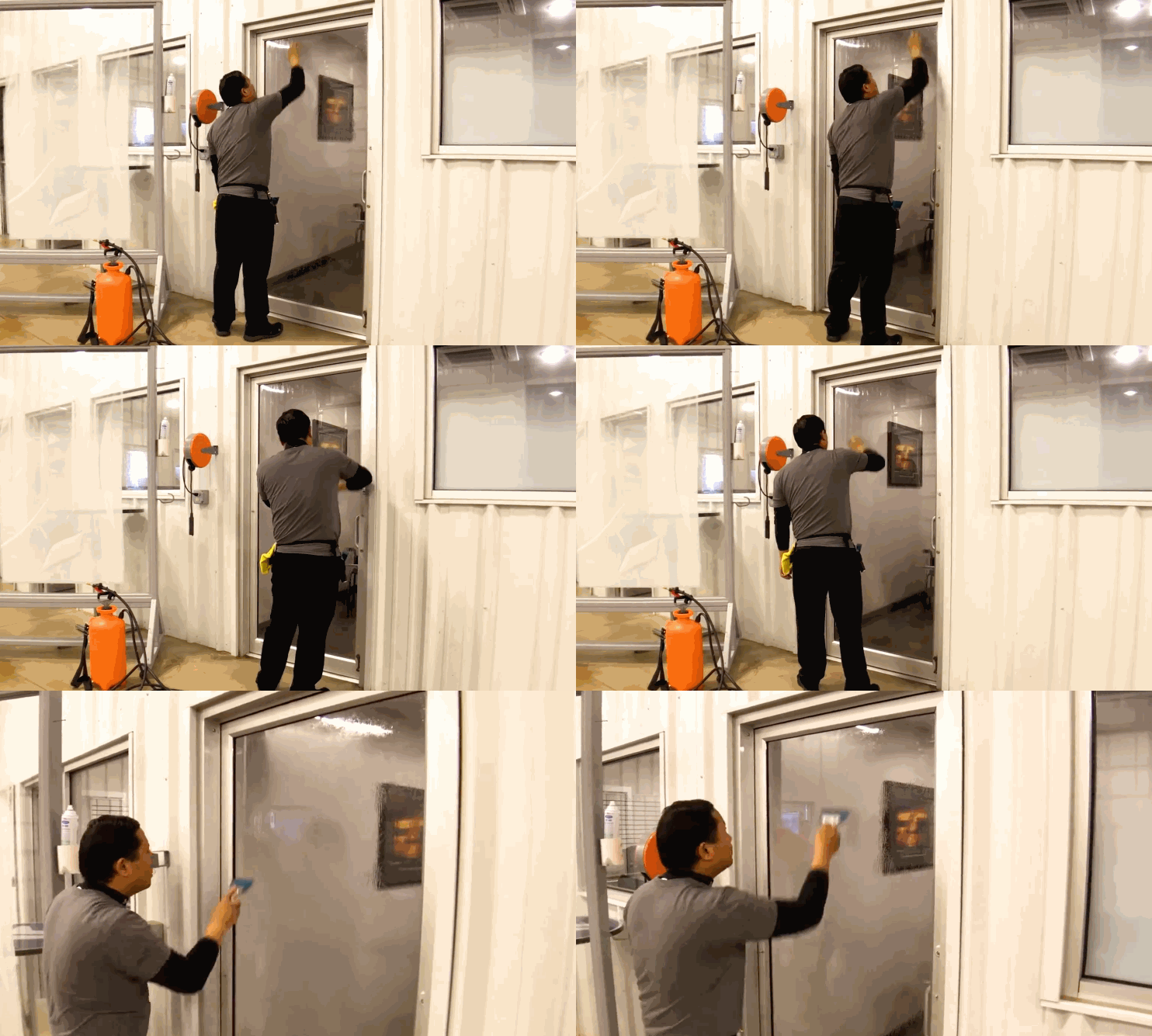
A professional window film install should feel simple and well-organized. The goal is to improve performance without turning it into a disruptive project, especially for businesses that need to stay open and functional.
At a high level, the process typically includes:
- Evaluation: Identify exposure, comfort issues, and energy goals
- Film Selection: Choose the right performance film for the property and glass type
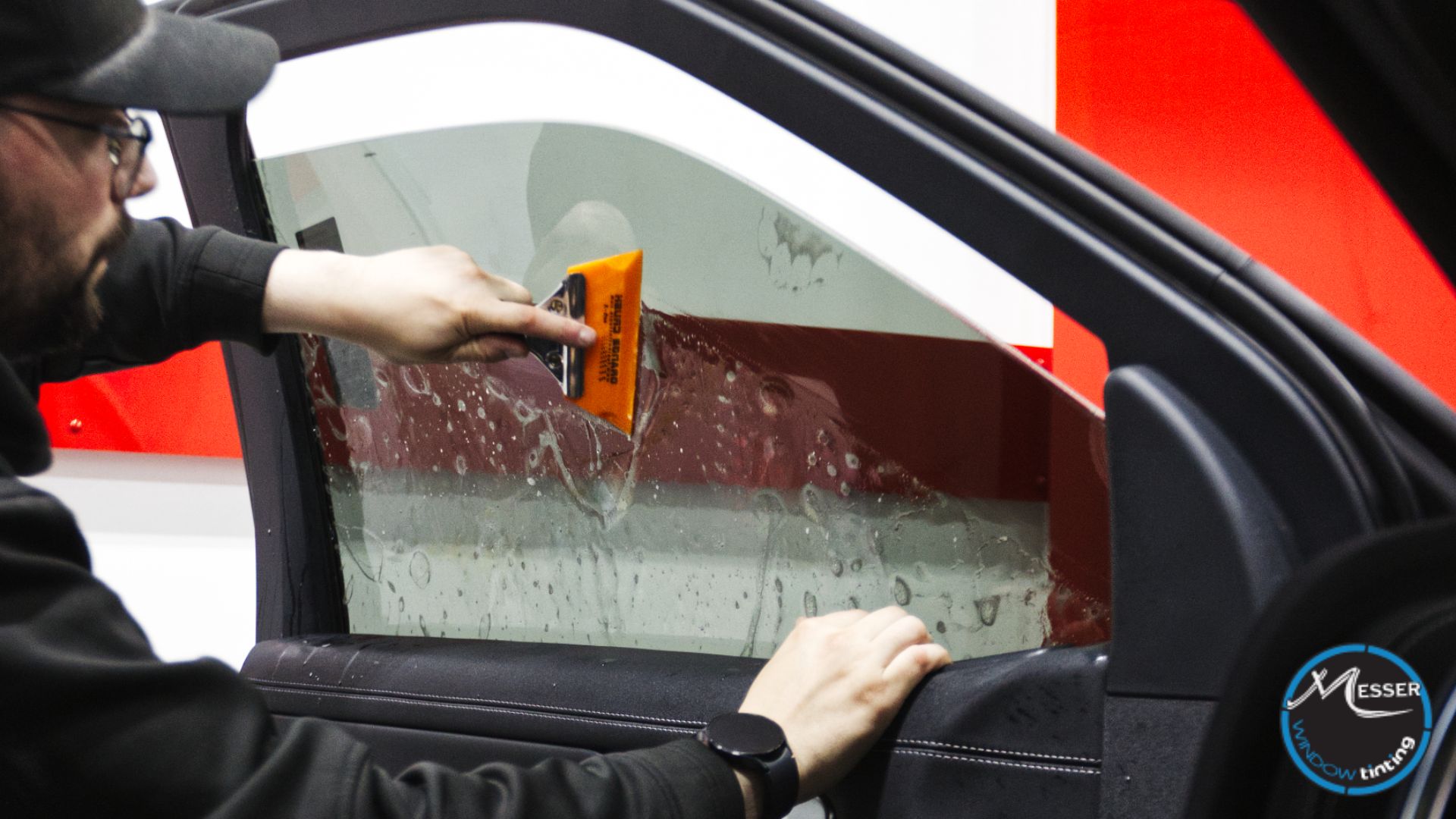
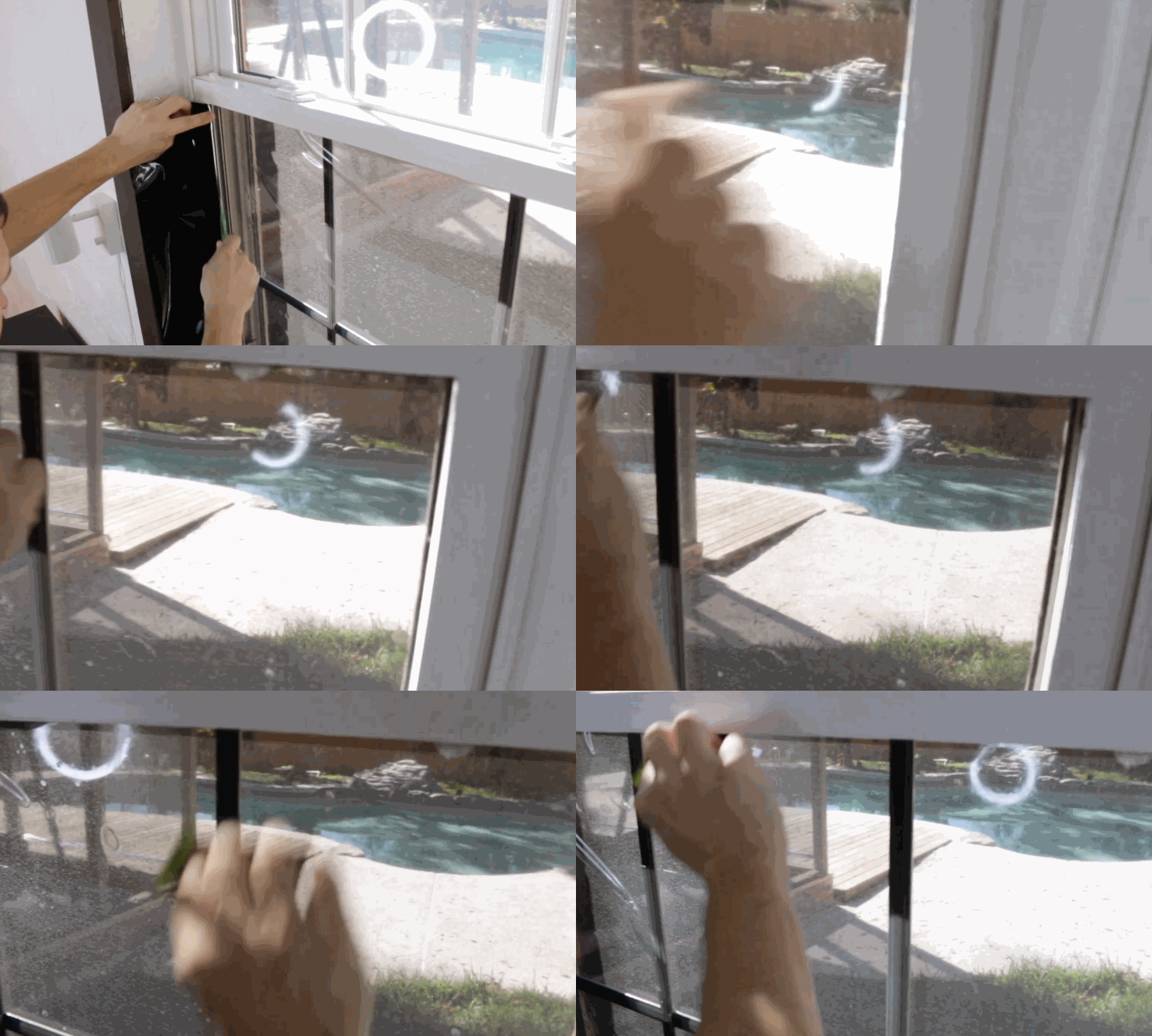
- Prep: Clean and prep glass thoroughly for strong adhesion and clean finish
- Installation: Apply film with precision and consistent edge work
- Curing Time: Allow film to fully set before expecting final clarity
- Aftercare Guidance: Simple instructions to protect the film long-term
For businesses, the key is planning. Commercial installs can be scheduled in phases, during off-hours, or around low-traffic windows so the work stays minimal disruption. The process is very manageable when handled correctly.
At Messer Window Tinting, we focus heavily on clean installation standards because that’s what makes tint look professional and perform correctly. We also make sure customers know what to expect with curing time and early appearance, so there’s no confusion after installation.
Conclusion: A Smarter Way to Control Heat and Reduce Energy Waste in Parker
In Parker, energy efficiency isn’t just a technical goal, it’s a comfort and cost issue. With high-altitude sun, strong glare, and big seasonal temperature swings, windows can become the main reason HVAC systems work harder than they should. Window tinting is one of the most practical ways to reduce heat gain, improve indoor comfort, control glare, and add UV protection that preserves interiors over time.
The key is doing it correctly. Professional film selection and quality installation determine whether you get real performance or just a cosmetic change. When the right film is installed the right way, the difference is noticeable in how the space feels day to day and in how efficiently it holds temperature.
If you’re ready to improve comfort and reduce energy waste in your home or business, contact Messer Window Tinting. We’ll recommend the right film for your space and install it cleanly for long-term performance. Reach out today to get a quote or schedule your installation.
Messer Window Tinting
4.4  321 Google reviews
Window tinting service in Parker, Colorado
Address:
9996 S Twenty Mile Rd, Parker, CO 80134, United States
Phone:
+1 303-483-1904
Reviews
Reviews from the web