Living and driving in Parker, CO, you start to notice pretty quickly how much the environment affects your vehicle’s paint. It’s not just about keeping your car clean, it’s about protecting it from constant exposure. Between the elevation, the dry air, and how strong the sun feels throughout the year, your paint is always dealing with conditions that can wear it down over time.
Out here, it’s common to be driving along Parker Road or getting on E-470 with full sun exposure for extended periods. There’s very little natural shade, and that means your vehicle is constantly taking on UV rays, dust, and changing temperatures. That combination can slowly impact your clear coat, even if you don’t notice it right away. That’s why paint protection isn’t just something for show cars, it’s something most daily drivers in Parker can benefit from.
When it comes to protecting your vehicle, one of the most common questions we hear is whether ceramic coating or wax is the better option. Both are designed to protect your paint, but they work in very different ways. As a team that works with paint protection every day, we’ve seen how each option performs in real Parker conditions, and the difference becomes clear once you understand how they’re built and how they hold up over time.
What Ceramic Coating and Wax Actually Do
At a basic level, both ceramic coating and wax are designed to protect your vehicle’s paint. They act as a barrier between your car’s clear coat and the outside environment, helping reduce the impact of sun exposure, contaminants, and everyday wear. The difference comes down to how they interact with the surface and how long that protection lasts.
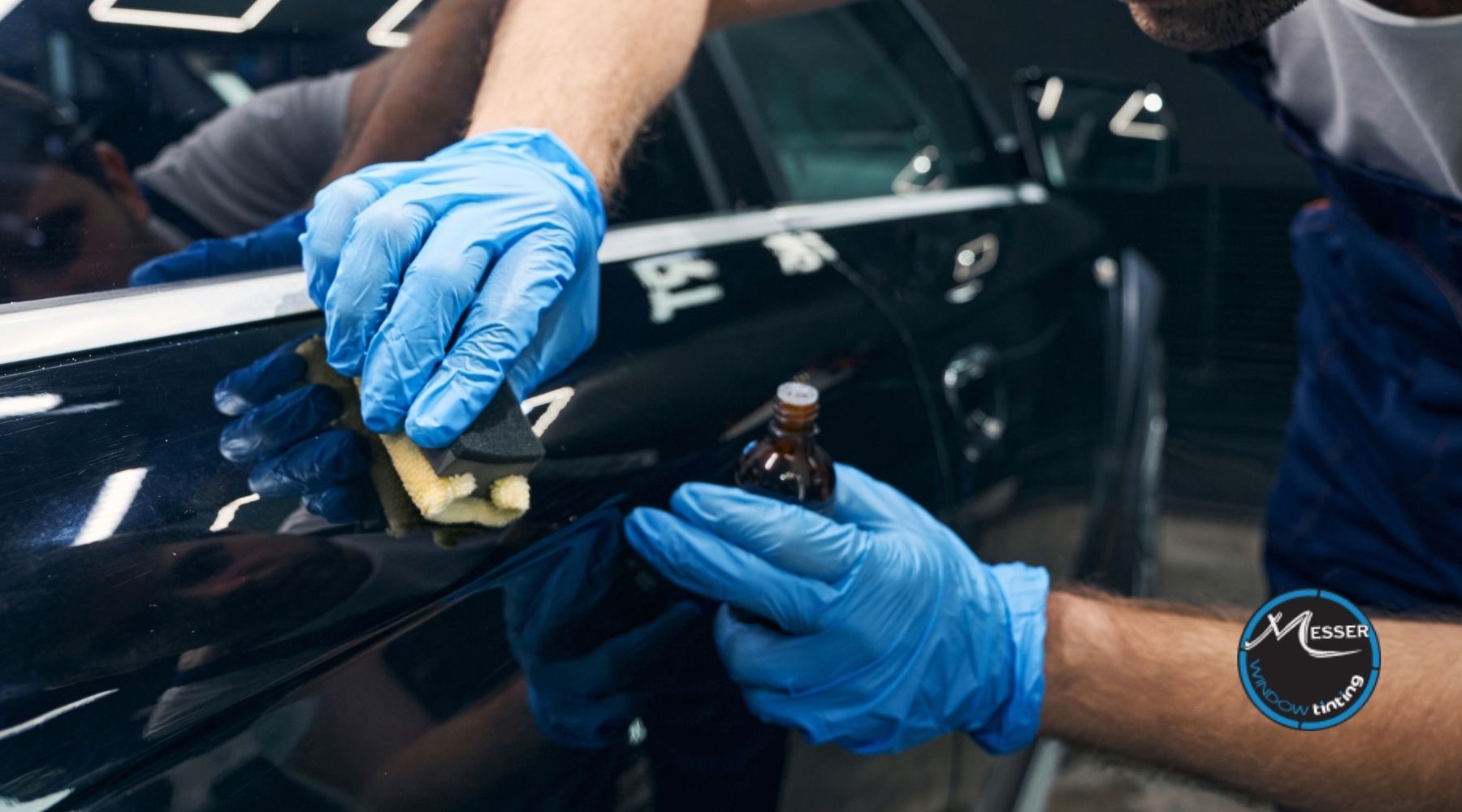
Ceramic coating is a liquid polymer that chemically bonds with your vehicle’s paint. Once applied and cured, it creates a durable, semi-permanent layer that becomes part of the surface itself. It’s not just sitting on top, it’s integrated into the clear coat, which allows it to provide longer-lasting protection and more consistent performance.
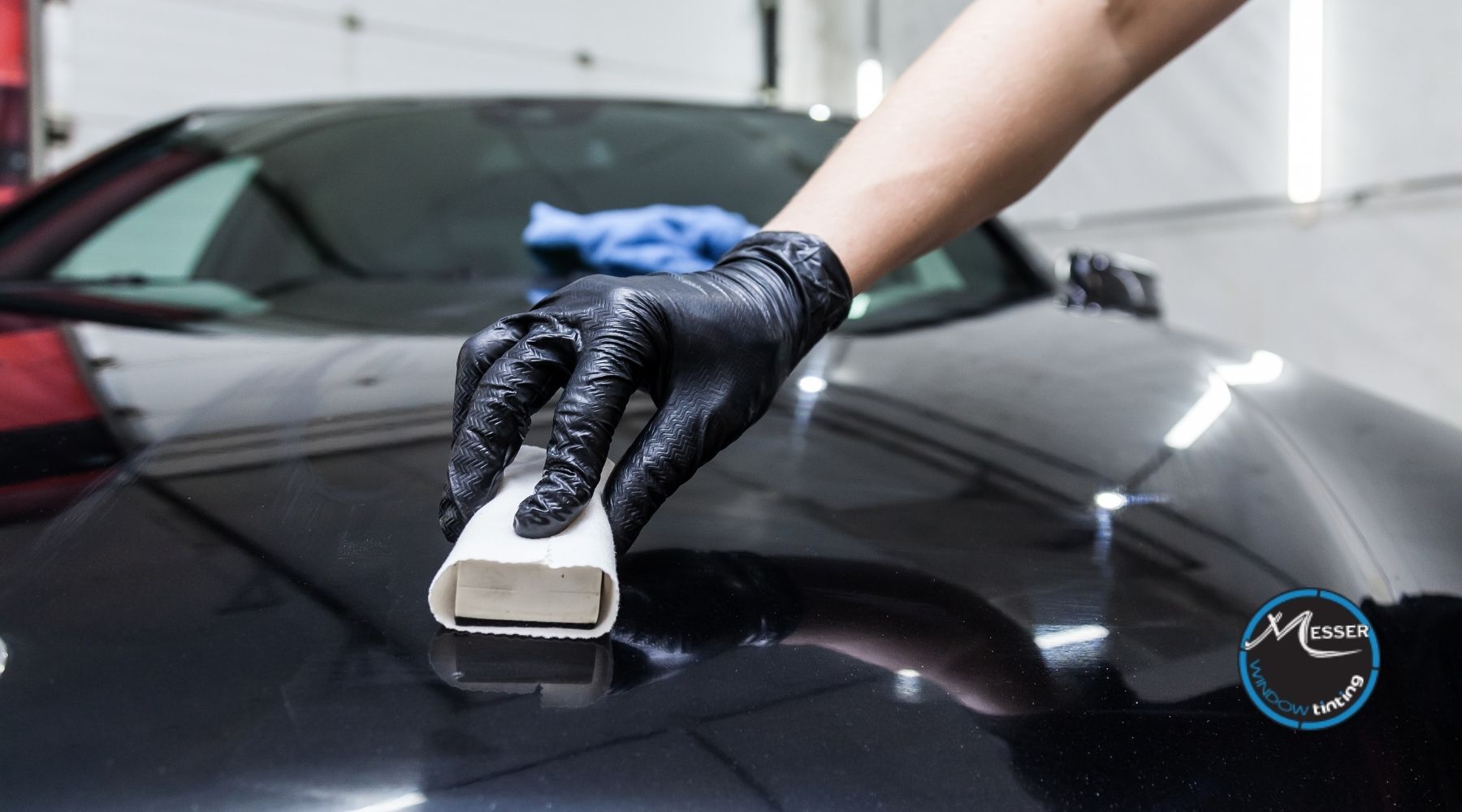
Wax, on the other hand, sits on top of the paint as a temporary layer. It adds gloss and some protection, but it doesn’t bond in the same way. Over time, it breaks down due to heat, washing, and exposure to the elements, which means it needs to be reapplied regularly to maintain its effect.
To put it into perspective, here’s how they function differently:
- Ceramic coating bonds to the paint, creating a more durable protective layer
- Wax sits on the surface and gradually wears away over time
- Ceramic coating is part of long-term paint protection strategies
- Wax is often used for short-term shine and basic protection
- Both play a role in car detailing and clear coat protection
Understanding this difference is key. While both options can improve the look of your vehicle, they serve very different purposes depending on how you use your car and how much protection you’re looking for.
Key Differences Between Ceramic Coating and Wax
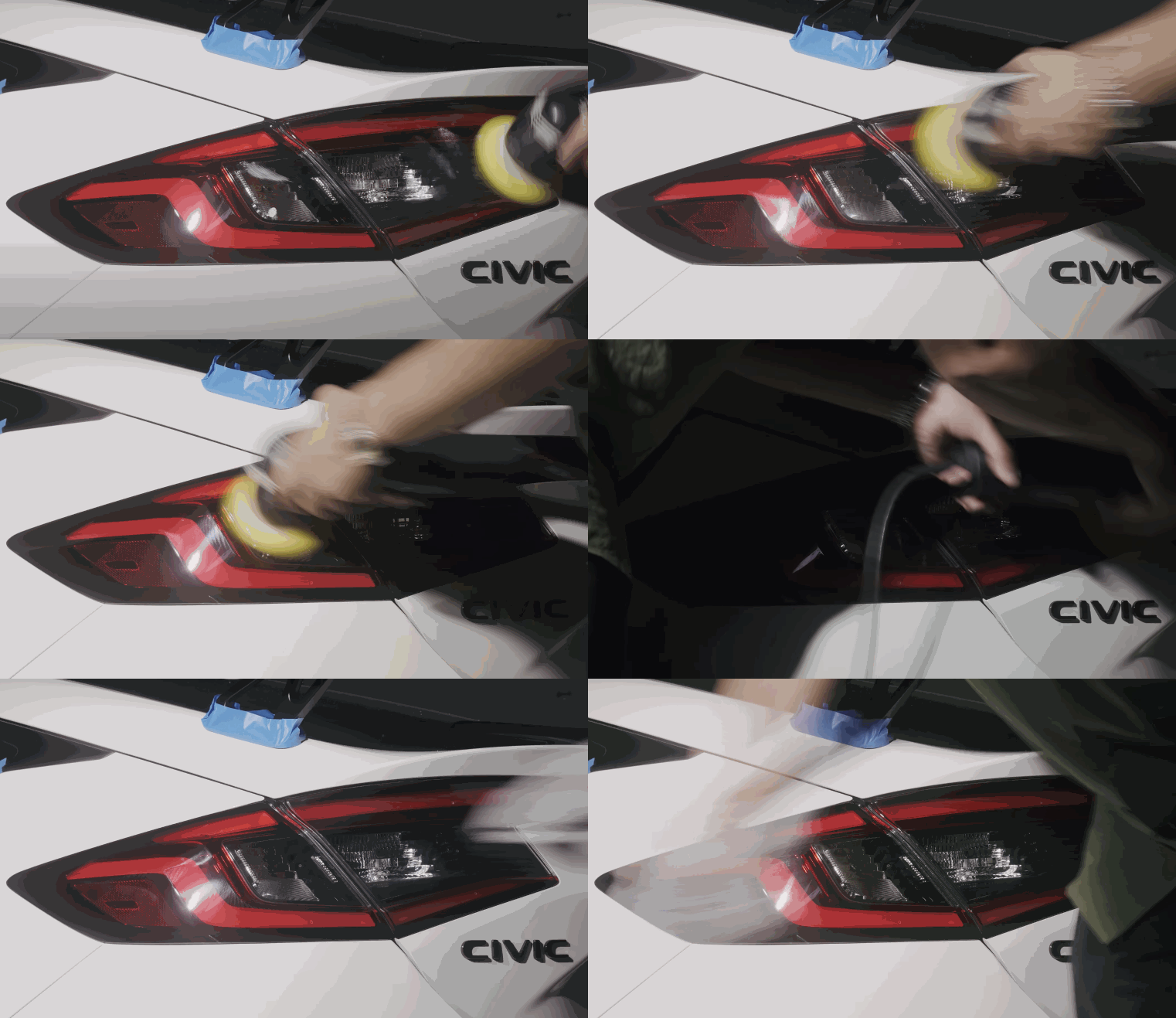
When you compare ceramic coating vs wax, the biggest differences come down to durability, protection, and maintenance. Both products are designed to enhance and protect your paint, but they perform at very different levels once applied.
Ceramic coating forms a semi-permanent layer that can last for years when properly maintained. It’s designed to handle ongoing exposure to sunlight, contaminants, and daily driving conditions. Because it bonds to the paint, it doesn’t wash away or degrade as quickly, which makes it a more consistent solution over time.
Wax, by comparison, is a temporary solution. It provides a noticeable shine and some protection, but it typically lasts a few weeks to a couple of months depending on conditions. In a place like Parker, where sun exposure and environmental factors are more intense, wax tends to break down even faster.
Here’s how they compare in practical terms:
- Ceramic coating offers long-term protection, while wax is short-term
- Ceramic coating resists heat and UV exposure more effectively
- Wax requires frequent reapplication to maintain results
- Ceramic coating maintains consistent performance over time
- Wax is more susceptible to washing and environmental wear
From an ownership standpoint, this difference becomes important quickly. Ceramic coating is about maintaining protection with less frequent intervention, while wax requires more regular upkeep to deliver similar visual results.
How Parker, CO Conditions Affect Your Vehicle’s Paint
Driving in Parker comes with its own set of challenges when it comes to maintaining your vehicle’s paint. The elevation alone makes a noticeable difference. At higher altitudes, UV rays are more intense, which means your vehicle is exposed to stronger sunlight compared to many other regions.
On top of that, Parker’s dry climate and open roads create an environment where dust and debris are constantly in contact with your vehicle. Whether you’re driving through Mainstreet or taking longer routes on open highways, your paint is exposed to a mix of sunlight, particles, and changing temperatures throughout the day.
A few environmental factors that impact your vehicle’s paint in Parker include:
- Increased UV exposure due to Colorado’s elevation
- Strong, direct sunlight throughout most of the year
- Dust and airborne particles from dry conditions
- Temperature swings between day and night
- Extended driving on open, unshaded roads
Over time, these elements can lead to fading, oxidation, and general wear on your clear coat. That’s why protection becomes essential. Whether you choose ceramic coating or wax, having a protective layer in place helps reduce the direct impact of Parker’s environment on your vehicle.
Durability and Long-Term Protection
When we talk about durability, this is where the difference between ceramic coating and wax becomes the most noticeable. In Parker, where your vehicle is constantly exposed to sun and environmental factors, long-term performance isn’t just a benefit, it’s a necessity.
Ceramic coating is designed to last for years, not weeks. Once applied, it creates a protective layer that can withstand UV exposure, contaminants, and regular washing without breaking down easily. It’s built for consistency, meaning you’re not constantly reapplying or worrying about losing protection after a short period.
Wax, on the other hand, has a much shorter lifespan. It provides an initial boost in appearance and protection, but that layer gradually wears away with time. In a high-exposure environment like Parker, that process tends to happen even faster.
From a durability perspective, here’s how they compare:
- Ceramic coating offers long-term protection that can last for years
- Wax typically lasts weeks to a few months at most
- Ceramic coating resists UV rays, oxidation, and contaminants
- Wax breaks down faster under heat and environmental exposure
- Ceramic coating maintains performance with proper maintenance
For many vehicle owners, the decision comes down to how much time and effort they want to invest in maintaining their paint. Ceramic coating provides a more stable, long-term solution, while wax requires ongoing upkeep to deliver similar benefits.
Maintenance and Everyday Care
One of the biggest differences you’ll notice between ceramic coating and wax shows up in day-to-day maintenance. In Parker, where dust, sun exposure, and dry conditions are constant, how easy it is to keep your vehicle clean matters just as much as the protection itself. From our experience, this is where ceramic coating starts to separate itself pretty quickly.
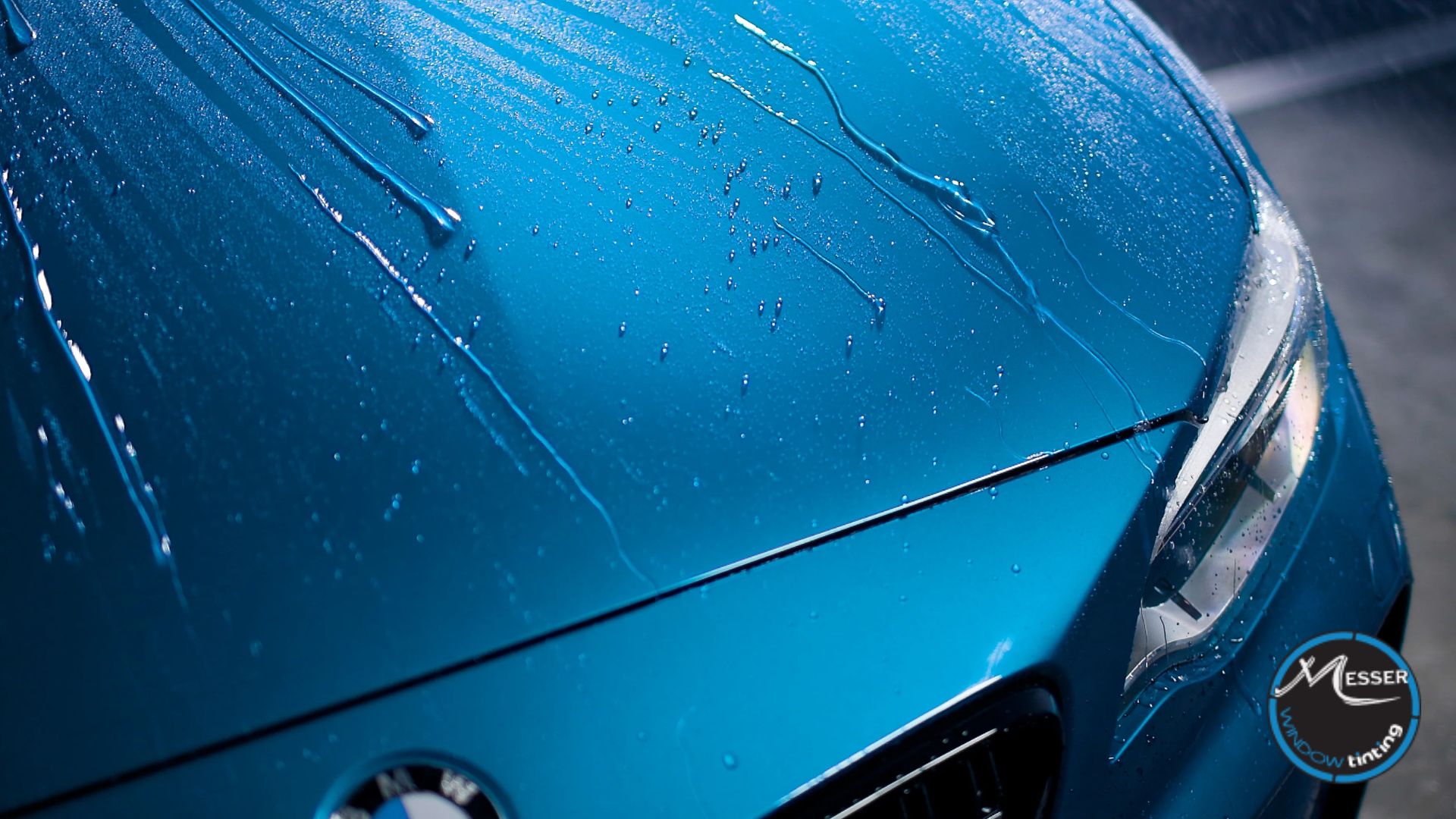
Ceramic coating creates a hydrophobic surface, which means water doesn’t sit flat on the paint. Instead, it beads up and rolls off, taking dirt and contaminants with it. That behavior makes regular washing more efficient and helps keep the vehicle looking cleaner between washes. With wax, you can get some of that effect initially, but it tends to fade as the product wears down.
From a maintenance perspective, here’s what you can expect:
- Ceramic coating allows water to bead and slide off more easily
- Dirt and contaminants are less likely to stick to the surface
- Washing becomes quicker and more efficient
- Waxed surfaces require more frequent reapplication to maintain results
- Both still require regular car detailing and proper paint maintenance
It’s important to understand that neither ceramic coating nor wax eliminates the need to care for your vehicle. What ceramic coating does is make that process more manageable over time, especially in a place like Parker where your vehicle is constantly exposed to the elements.
Appearance and Finish: What to Expect
When it comes to appearance, both ceramic coating and wax can enhance how your vehicle looks, but they do it in slightly different ways. Most people notice the change immediately after application, but the way that finish holds up over time is where the real difference comes in.
Ceramic coating tends to produce a sharper, more reflective finish. It enhances the clarity of the paint, giving it a deeper, more defined look under direct sunlight. In Parker, where the sun is strong and consistent, that clarity becomes more noticeable, especially on darker colors. Wax, on the other hand, often gives a warmer, softer glow. It still improves gloss, but it doesn’t have the same level of depth or durability.
Here’s how the visual differences typically compare:
- Ceramic coating enhances gloss with a more reflective, glass-like finish
- Wax provides a softer, warmer shine on the paint
- Ceramic coating maintains clarity for a longer period
- Wax can lose its appearance as it wears down
- Both improve overall appearance in different ways
At Messer Window Tinting, we always remind vehicle owners that appearance is just one part of the equation. While both options can make your car look great, the way that finish holds up over time depends heavily on the type of protection you choose.
Cost vs Value Over Time: Ceramic Coating vs. wax
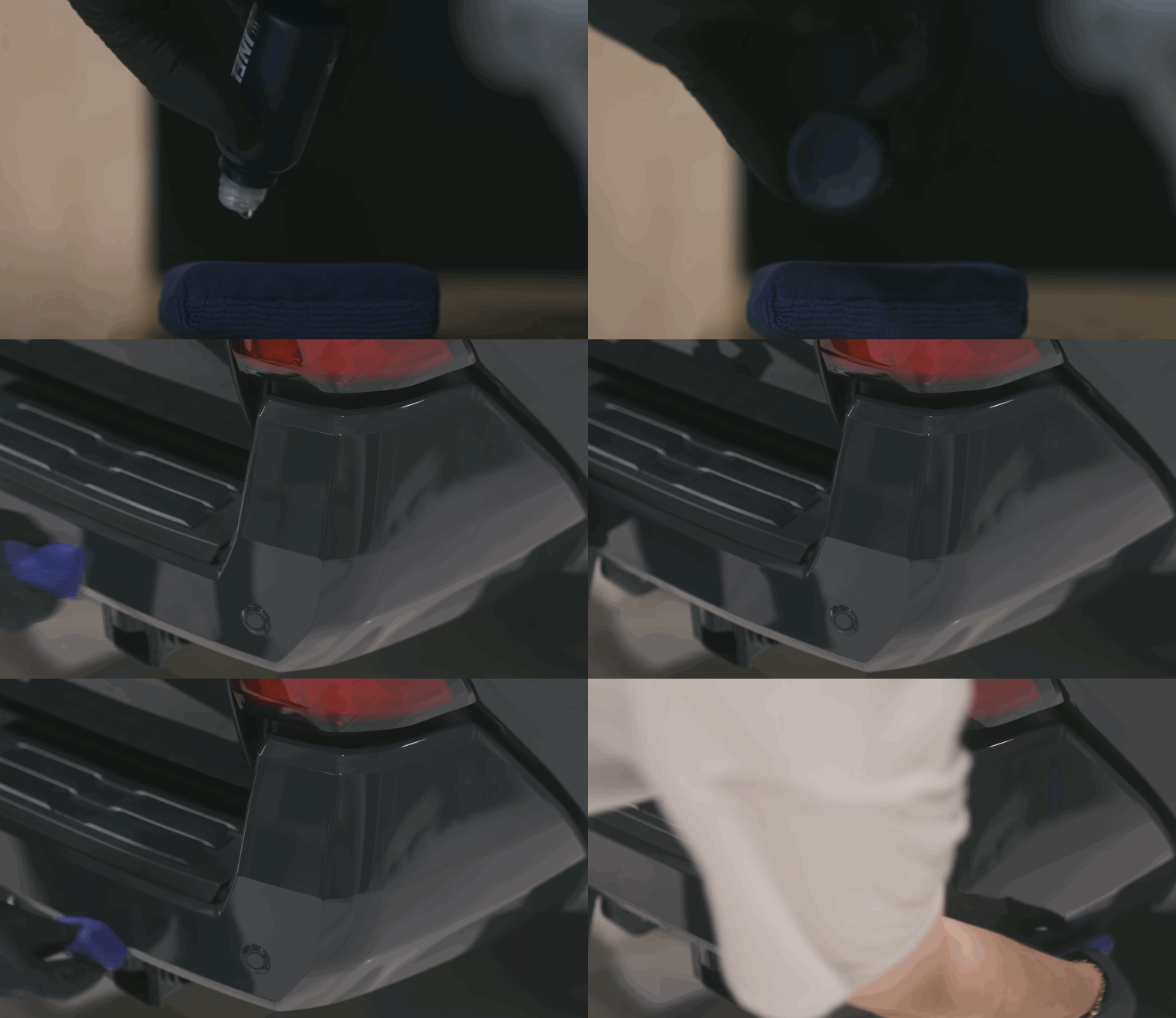
When comparing ceramic coating vs wax, cost is often one of the first things people consider. At a glance, wax is the more affordable option. It has a lower upfront cost and can be applied relatively quickly. Ceramic coating, on the other hand, requires more preparation, more time, and a higher initial investment.
But when you look at the bigger picture, the conversation shifts from cost to value. Wax needs to be reapplied regularly to maintain its benefits, especially in Parker’s environment where sun and exposure can break it down faster. Ceramic coating, once applied, continues to perform for a much longer period without needing constant reapplication.
From a long-term perspective, here’s how the two compare:
- Wax has a lower upfront cost but requires frequent reapplication
- Ceramic coating has a higher initial cost but longer lifespan
- Wax increases maintenance frequency over time
- Ceramic coating reduces the need for repeated applications
- Long-term value depends on how long you plan to keep your vehicle
At Messer Window Tinting, we often explain that the right choice depends on how you view ownership. Some drivers prefer the lower initial cost of wax, while others choose ceramic coating for its long-term consistency. At Messer Window Tinting, we help you look beyond the initial price and focus on what will actually make sense over time for your vehicle.
Conclusion: Choosing the Right Paint Protection for Your Vehicle
When you break it down, ceramic coating and wax serve the same purpose, protecting your vehicle’s paint, but they do it in very different ways. Wax offers a simpler, short-term solution that enhances appearance and provides basic protection. Ceramic coating, on the other hand, delivers a more durable, long-term approach that holds up better under Parker’s environmental conditions.
In a place like Parker, where sun exposure, dust, and changing weather are part of everyday driving, protecting your paint becomes more than just a cosmetic decision. It’s about preserving your vehicle over time and making ownership easier. That’s where choosing the right solution really makes a difference.
If you’re deciding between ceramic coating and wax, our team at Messer Window Tinting is here to help you make the right choice for your vehicle. Contact us today to talk through your options and find a paint protection solution that fits your needs, your driving habits, and the conditions you deal with every day in Parker, CO.
Messer Window Tinting
4.4  321 Google reviews
Window tinting service in Parker, Colorado
Address:
9996 S Twenty Mile Rd, Parker, CO 80134, United States
Phone:
+1 303-483-1904
Reviews
Reviews from the web