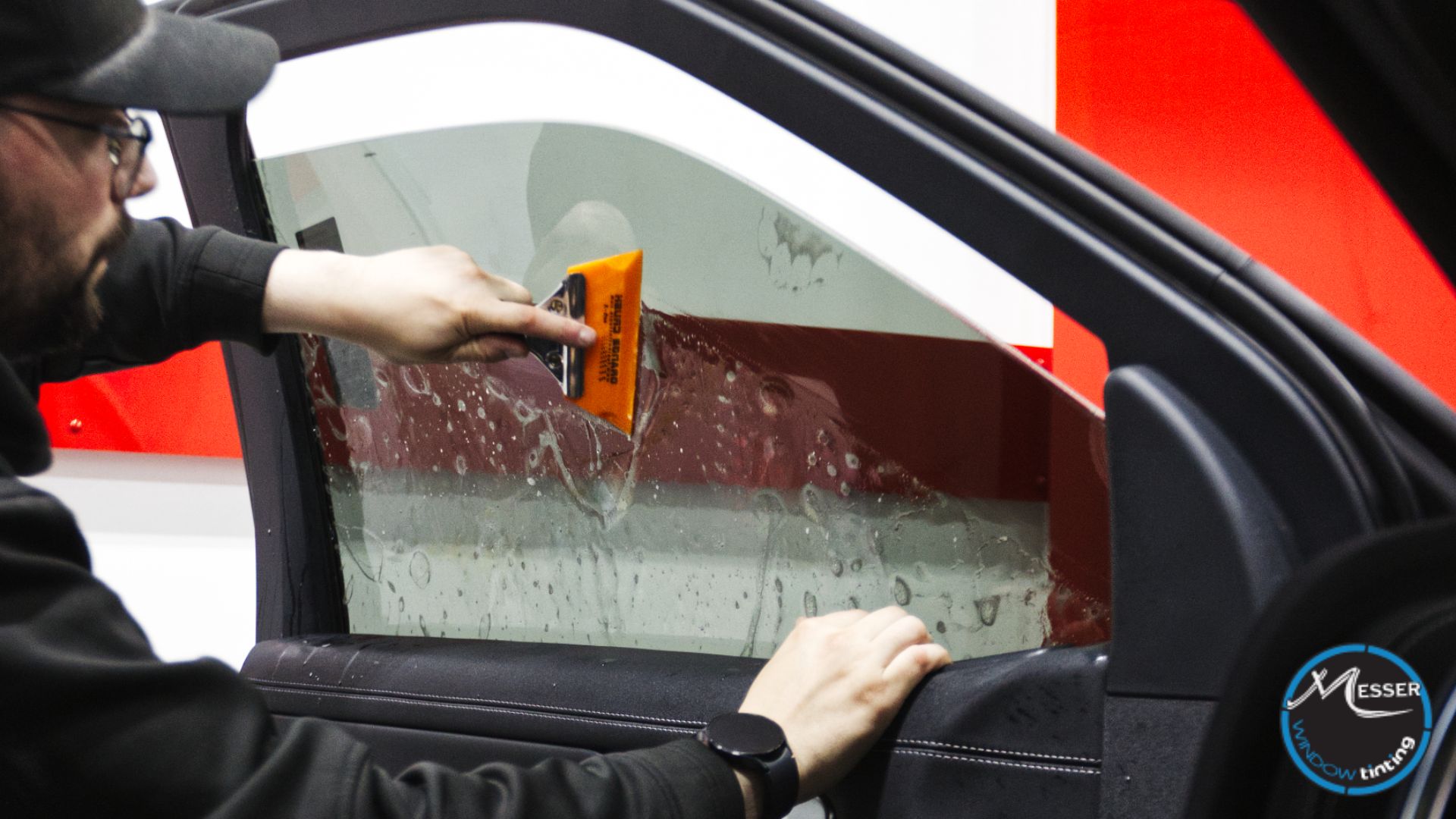
Driving with window tint in Colorado sounds simple at first, but once you start looking into the laws, it can quickly become confusing. We talk to a lot of vehicle owners in Parker who assume that tint rules are the same everywhere, only to realize that what’s legal in one state might not be allowed here. That’s where a bit of clarity makes a big difference, especially if you want your vehicle to stay both comfortable and compliant.
The reality is that regulations vary by state, and Colorado has its own specific guidelines that directly impact how window tint can be applied. Around Parker, whether you’re driving along Parker Road, commuting on E-470, or just moving between neighborhoods, those rules apply just the same. As a team that works with window tint every day, we’ve seen how important it is for drivers to understand not just what looks good, but what’s actually allowed. Getting it right from the start saves you time, money, and unnecessary adjustments down the road.
What Window Tint Laws Are Designed to Regulate
Window tint laws aren’t just about how dark your windows can be. They’re designed to balance comfort with safety, making sure drivers can see clearly while still allowing for protection against sunlight. In Colorado, the focus is on maintaining visibility both for the driver and for others on the road, including law enforcement.
At the core of these regulations is the concept of light transmission, or how much light is able to pass through your vehicle’s windows. This directly affects driver visibility, especially in changing light conditions like early mornings or late afternoons. It also plays a role in how easily others can see into the vehicle when necessary.
Here’s what window tint laws are generally meant to control:
- How much visible light passes through car window tint
- Driver visibility in different lighting conditions
- The ability for law enforcement to see inside the vehicle when needed
- The balance between comfort, privacy, and safety
- Consistency across different types of automotive window film
Understanding this helps put things into perspective. Tinted windows aren’t restricted to limit comfort, they’re regulated to make sure your vehicle remains safe and functional on the road while still benefiting from modern window tint solutions.
Visible Light Transmission (VLT): What It Means for Your Vehicle
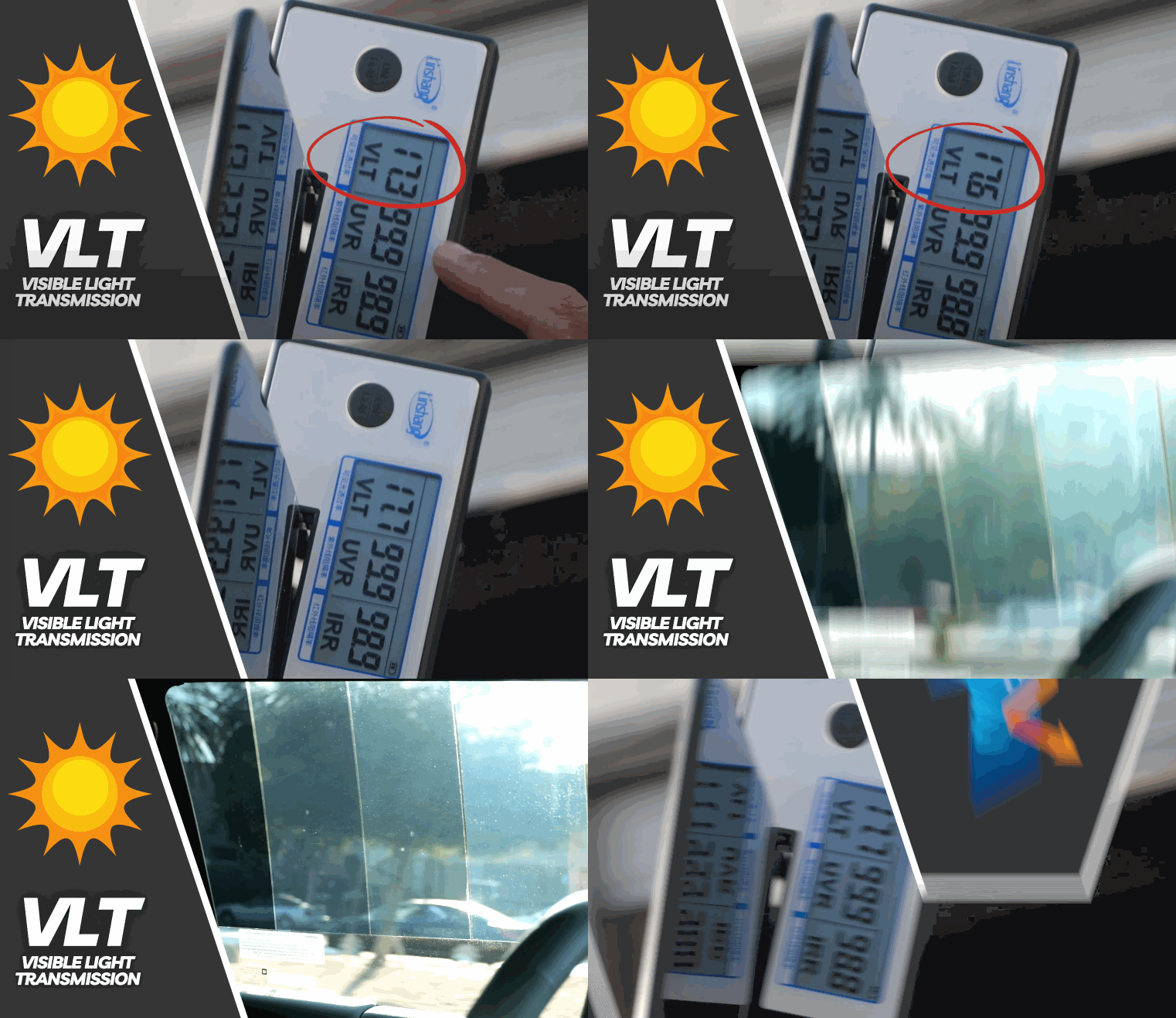
When we talk about window tint laws, one of the most important terms you’ll hear is Visible Light Transmission, or VLT. It might sound technical at first, but it’s actually a pretty straightforward concept. VLT refers to the percentage of visible light that can pass through your window after the tint is applied.
For example, a 50% VLT film allows half of the visible light to pass through the glass, while a 20% VLT film allows much less light, making it appear darker. The lower the percentage, the darker the window tint will look from the outside.
To make it easier to understand, here’s how VLT works in practical terms:
- Higher VLT percentage means lighter tint and more visible light entering the vehicle
- Lower VLT percentage means darker tint and less light passing through
- VLT is measured after the film is installed on the glass
- Factory glass already has a slight tint, which affects final VLT
- Legal limits are based on the combined glass and film performance
In Colorado, compliance is based on these VLT percentages, not just how dark the film looks. That’s why it’s important to work with accurate measurements rather than relying on appearance alone. What seems acceptable visually might not meet legal standards once tested.
Colorado Window Tint Laws for Passenger Vehicles
When it comes to applying window tint in Colorado, the rules change depending on which window you’re talking about. This is where many drivers get confused, because there isn’t a single standard that applies to the entire vehicle. Each section of glass has its own guidelines, and understanding those differences is key to staying compliant.
For passenger vehicles, Colorado window tint laws generally focus on how much light must pass through certain windows, especially those that directly affect driver visibility. The goal is to maintain a clear view of the road while still allowing for some level of shading and protection.
Here’s a simplified breakdown of how it applies:
- Front side windows must allow more light through compared to rear windows
- Back side windows and rear glass typically have more flexibility in darkness
- The windshield is restricted, usually allowing tint only on the upper portion
- Regulations vary based on window position, not just preference
- All measurements are based on VLT, not just visual appearance
Because of these differences, choosing the right automotive window film isn’t just about style. It’s about making sure each window meets the specific requirements set by Colorado, while still delivering the performance you expect from car window tint.
Additional Requirements and Considerations in Colorado
Beyond how dark your window tint can be, Colorado also has additional requirements that many drivers overlook. These details might seem minor at first, but they play an important role in whether your vehicle is considered compliant or not.
For example, reflectivity is regulated to prevent windows from having a mirror-like appearance. This is meant to reduce glare for other drivers and avoid excessive reflection on the road. There are also requirements related to visibility when rear windows are tinted, which can affect whether side mirrors are needed.
Some key considerations include:
- Limits on reflective or mirror-like finishes for automotive window film
- Requirements for dual side mirrors if rear visibility is reduced
- Medical exemptions that allow for darker window tint in specific cases
- Consistency between factory glass and applied film
- Overall compliance based on multiple factors, not just darkness
Understanding these additional rules helps complete the picture. Window tint laws in Colorado go beyond just how dark your windows look, they’re designed to ensure your vehicle remains safe, visible, and compliant in a variety of driving conditions.
Why Following Window Tint Laws Matters in Parker, CO
When you’re driving around Parker, it’s easy to focus on comfort and appearance, but compliance plays an equally important role. Window tint that doesn’t meet Colorado regulations can lead to issues that go beyond aesthetics. We’ve seen situations where drivers invest in their vehicle, only to run into problems because the tint didn’t meet legal requirements.
Non-compliant window tint can lead to consequences that interrupt your day-to-day driving. Whether you’re commuting on Parker Road, heading onto E-470, or just driving locally, these issues can come up when you least expect them. It’s not just about avoiding trouble, it’s about making sure your vehicle is set up correctly from the start.
Some of the most common issues tied to non-compliant tint include:
- Fines or citations during traffic stops
- Requests to remove or replace the existing window tint
- Additional inspections or compliance checks
- Delays if you’re registering or selling your vehicle
- Ongoing inconvenience if the issue isn’t corrected
When your window tint meets Colorado standards, it removes that uncertainty. You can drive knowing your vehicle is aligned with regulations, without having to second-guess whether your tint could cause problems later on.
How Professional Window Tinting Services Help You Stay Compliant
One of the biggest advantages of working with professional window tinting services is that compliance is built into the process from the beginning. As installers, we don’t just focus on how the film looks, we focus on how it performs within the limits set by Colorado law.
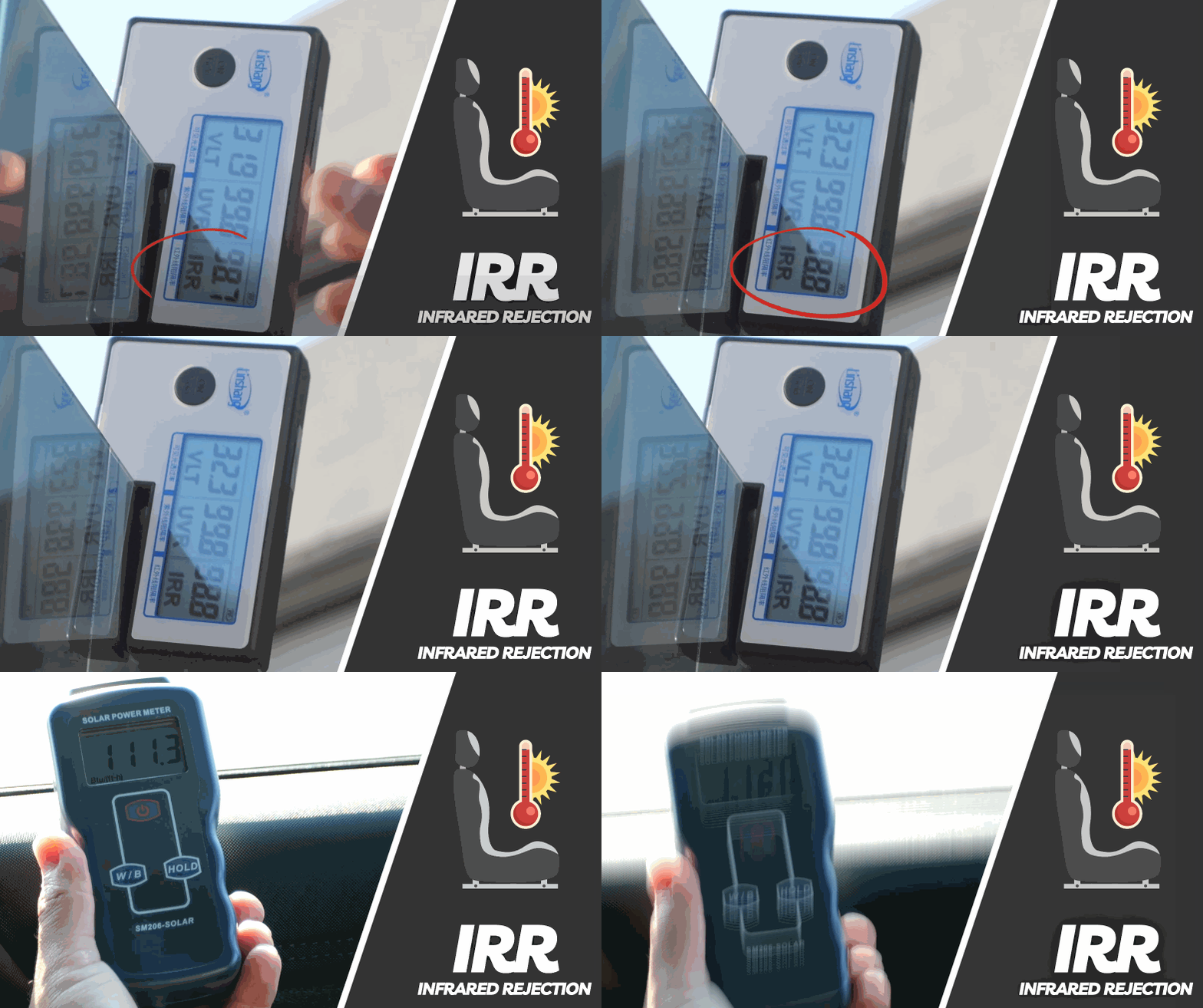
Choosing the right film isn’t just about shade or appearance. It’s about selecting materials that meet VLT requirements while still delivering heat rejection, glare reduction, and UV protection. That balance is where experience matters, especially in a place like Parker where sunlight and visibility both play a role in your daily driving.
At Messer Window Tinting, we approach every installation with compliance in mind. That means verifying film specifications, measuring light transmission, and making sure the final result aligns with legal standards before the vehicle leaves our shop.
Here’s what professional installation typically includes:
- Guidance on film options that meet Colorado window tint laws
- Accurate selection of VLT levels based on your vehicle
- Measuring and verifying light transmission before and after installation
- Clean, precise application to ensure consistent performance
- Confidence that your window tint meets both legal and practical needs
Working with experienced window tinting services helps remove the guesswork. Instead of relying on appearance, you’re working with verified measurements and informed recommendations.
Choosing the Right Window Tint for Your Vehicle in Parker
Choosing window tint isn’t just about going darker or lighter, it’s about finding the right balance between performance, comfort, and legal compliance. In Parker, where sun exposure is strong but regulations still apply, that balance becomes even more important.
From an ownership perspective, the right window tint should match how you actually use your vehicle. Daily commuting, where you park, how much sun exposure you get throughout the day, all of those factors influence what works best. It’s not a one-size-fits-all decision.
When we help drivers select car window tint, we usually focus on a few key factors:
- How often the vehicle is driven during peak sunlight hours
- Whether the car is parked outdoors or in covered spaces
- The need for heat rejection versus privacy
- Legal limits for front side windows and visibility
- Long-term durability and performance of the film
At Messer Window Tinting, we always emphasize that darker isn’t always better. The goal is to create a setup that performs well in Parker’s environment while staying within legal limits. That’s why many drivers come to Messer Window Tinting looking for guidance, not just installation, they want to make sure their window tint works the way it should, both on the road and over time.
Conclusion: Stay Legal and Comfortable with the Right Window Tint
Understanding Colorado window tint laws is an important part of owning a vehicle in Parker. It’s not just about following regulations, it’s about making informed decisions that balance comfort, visibility, and long-term performance. When you know how window tint works within those limits, you can get the benefits without the risk of running into compliance issues.
At the same time, window tint remains one of the most practical upgrades you can make to your vehicle. It improves driving comfort, protects your interior, and helps create a more controlled environment on the road. When done correctly, it supports both your driving experience and your vehicle’s long-term condition.
If you’re considering window tinting services in Parker, CO, our team at Messer Window Tinting is here to help you get it right from the start. Contact us today to find the right window tint solution for your vehicle, one that meets Colorado laws while delivering the performance you expect every day.
Messer Window Tinting
4.4  321 Google reviews
Window tinting service in Parker, Colorado
Address:
9996 S Twenty Mile Rd, Parker, CO 80134, United States
Phone:
+1 303-483-1904
Reviews
Reviews from the web